
That, so far, is unmixed gain in the use of a machine—always, mind you, supposing equality of condition among men; no art is lost, leisure or time for more pleasurable work is gained.
Where these words come from
- 95% sureThese words were traced back to where they first appeared. That source is listed below.
- https://www.gutenberg.org/cache/epub/3053/pg3053-images.html
More from William Morris
See allHave nothing in your houses that you do not know to be useful, or believe to be beautiful. William MorrisIn a true society these miracles of ingenuity would be for the first time used for minimizing the amount of time spent in unattractive labour, which by their means might be so reduced as to be but a very light burden on each individual.William MorrisOf all that I have to say to you this seems to me the most important, that our daily and necessary work, which we could not escape if we would, which we would not forego if we could, should be human, serious, and pleasurable, not machine-like, trivial, or grievous.William MorrisSome work, nay, almost all the work done by artisans is too mechanical; and those that work at it must either abstract their thoughts from it altogether, in which case they are but machines while they are at work; or else they must suffer such dreadful weariness in getting through it, as one can scarcely bear to think of.William MorrisBut that education does not end when people leave school is now a mere commonplace; and how then can you really educate men who lead the life of machines, who only think for the few hours during which they are not at work, who in short spend almost their whole lives in doing work which is not proper for developing them body and mind in some worthy way?William MorrisSo I say that, in spite of our inventions, no worker works under the present system an hour the less on account of those labour-saving machines, so-called.William Morris
More inspiration
See allYou gain strength, courage, and confidence by every experience in which you really stop to look fear in the face. Eleanor RooseveltNo one can make you feel inferior without your consent.Eleanor RooseveltLittle strokes fell great oaks.
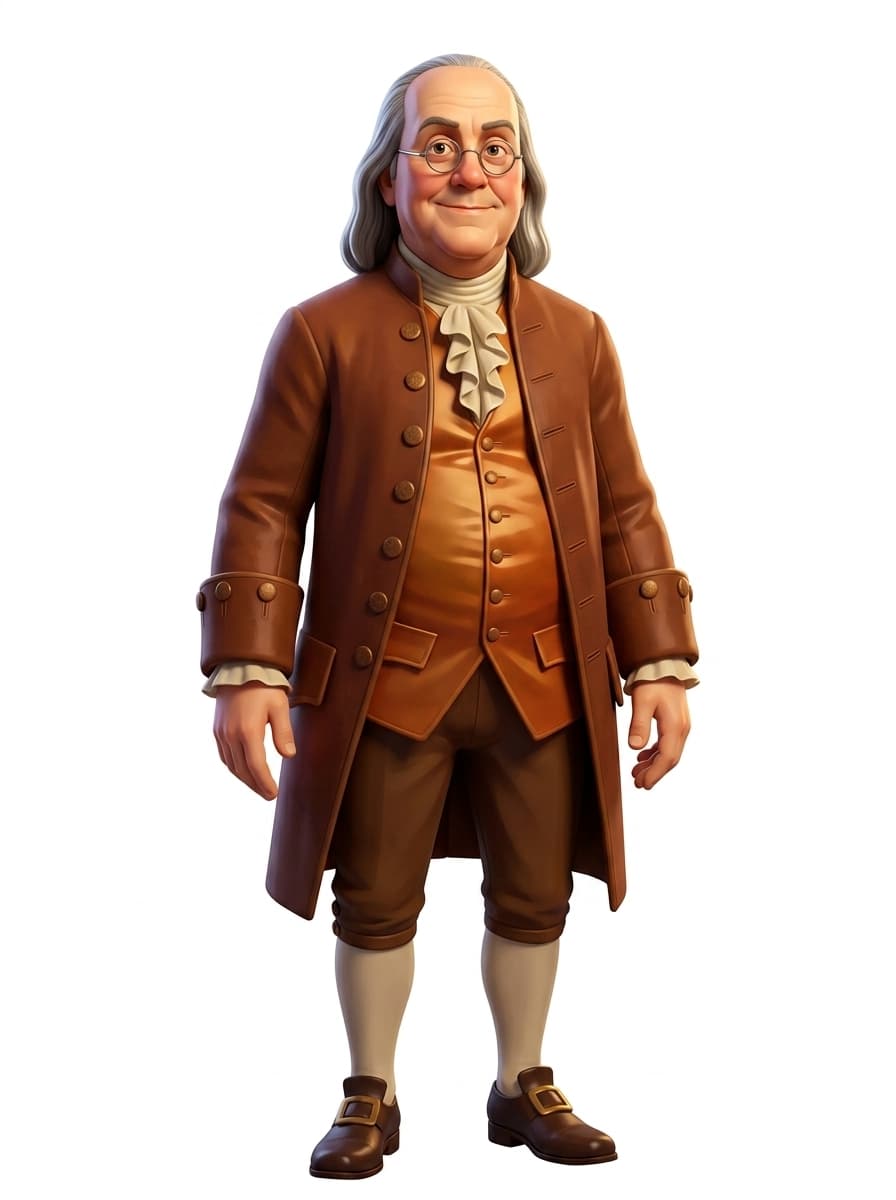 Benjamin FranklinEnergy and persistence conquer all things.Benjamin FranklinWell done is better than well said.Benjamin FranklinIf there is no struggle, there is no progress.
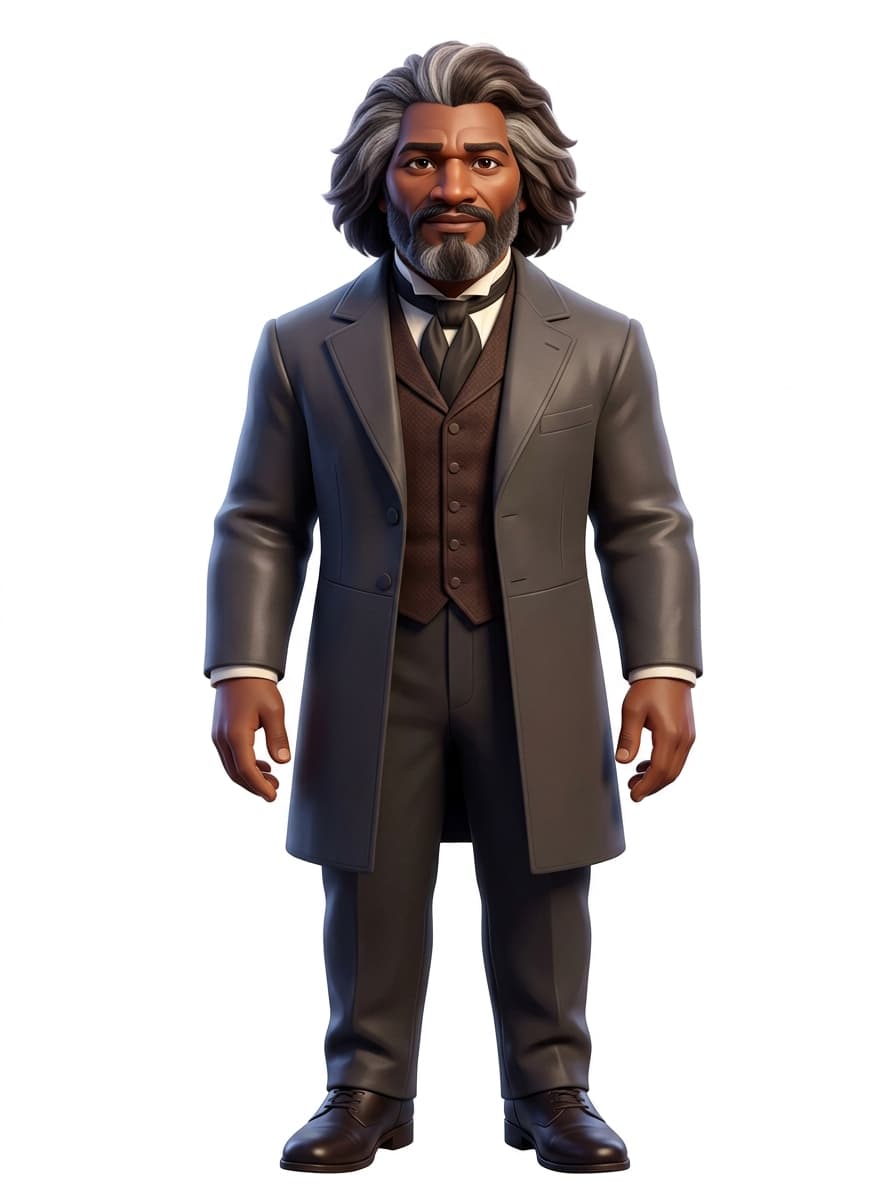 Frederick Douglass
Eleanor RooseveltNo one can make you feel inferior without your consent.Eleanor RooseveltLittle strokes fell great oaks.Benjamin FranklinEnergy and persistence conquer all things.Benjamin FranklinWell done is better than well said.Benjamin FranklinIf there is no struggle, there is no progress.Frederick Douglass