
Have courage to use your own understanding!
In plain words
Be brave enough to think for yourself.
Where these words come from
- 91% sureThese words were traced back to where they first appeared. That source is listed below.
- From Kant's essay 'Beantwortung der Frage: Was ist Aufklärung?' (An Answer to the Question: What is Enlightenment?), 1784 — the Sapere Aude ('dare to know') line. Wikiquote-sourced with named work.
- Beantwortung der Frage: Was ist Aufklärung? (An Answer to the Question: What is Enlightenment?)
- 1784 · Berlinische Monatsschrift, Prussia · philosophical essay
More from Immanuel Kant
See allFor example, it is always a matter of duty that a dealer should not over charge an inexperienced purchaser; and wherever there is much commerce the prudent tradesman does not overcharge, but keeps a fixed price for everyone, so that a child buys of him as well as any other. Immanuel KantOn the other hand, it is a duty to maintain one's life; and, in addition, everyone has also a direct inclination to do so.Immanuel KantTo be beneficent when we can is a duty; and besides this, there are many minds so sympathetically constituted that, without any other motive of vanity or self-interest, they find a pleasure in spreading joy around them and can take delight in the satisfaction of others so far as it is their own work.Immanuel KantTo secure one's own happiness is a duty, at least indirectly; for discontent with one's condition, under a pressure of many anxieties and amidst unsatisfied wants, might easily become a great temptation to transgression of duty.Immanuel KantFor love, as an affection, cannot be commanded, but beneficence for duty's sake may; even though we are not impelled to it by any inclination- nay, are even repelled by a natural and unconquerable aversion.Immanuel KantThe third proposition, which is a consequence of the two preceding, I would express thus: Duty is the necessity of acting from respect for the law.Immanuel Kant
More on courage
You have power over your mind, not outside events. Realize this, and you will find strength.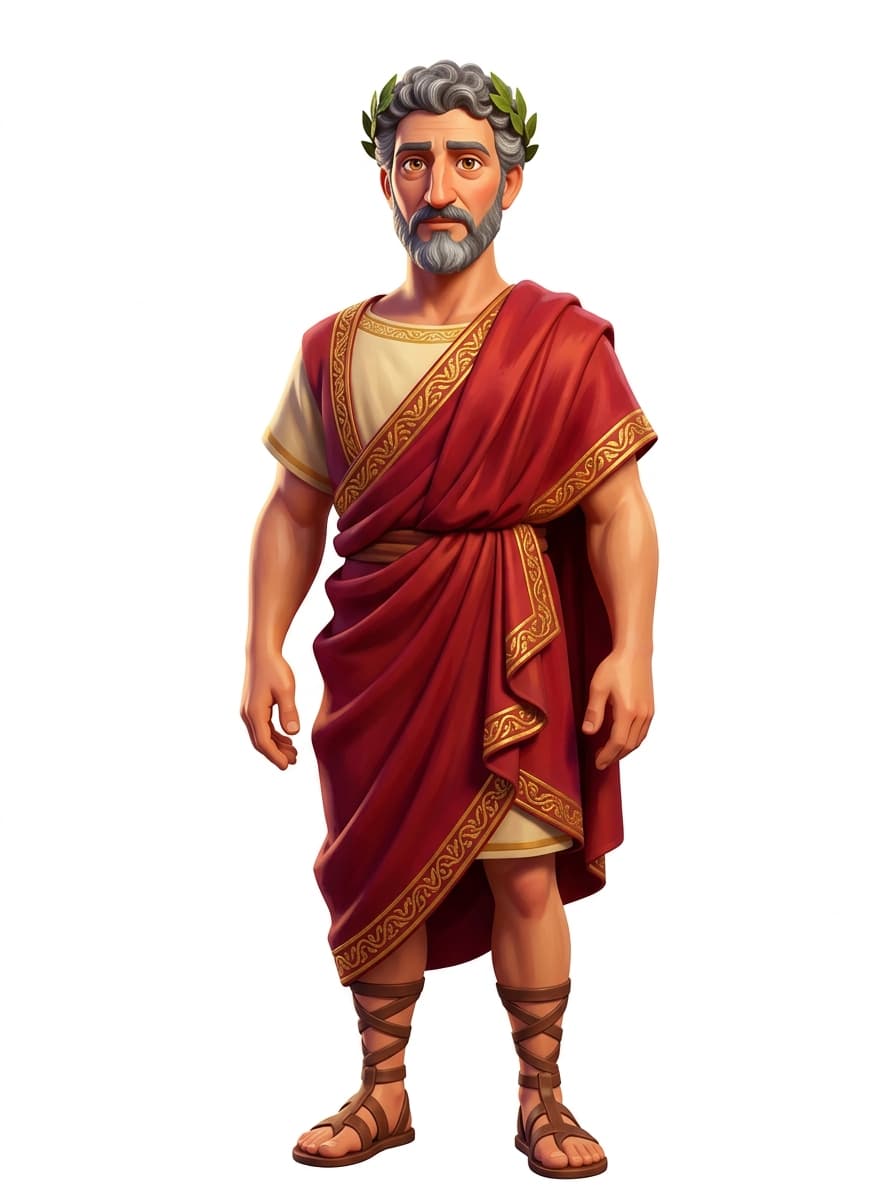 Marcus AureliusYou can't cross the sea merely by standing and staring at the water.
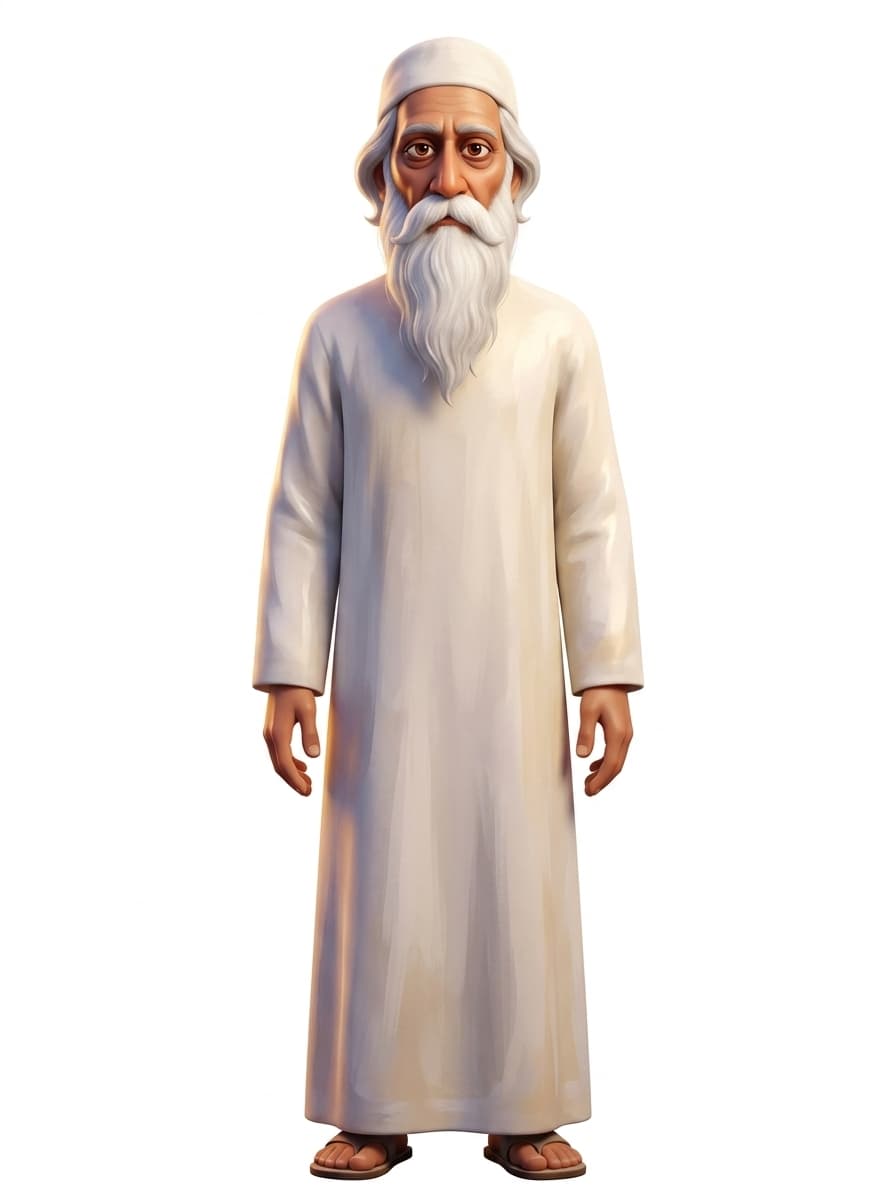 Rabindranath TagoreStrength does not come from physical capacity. It comes from an indomitable will.
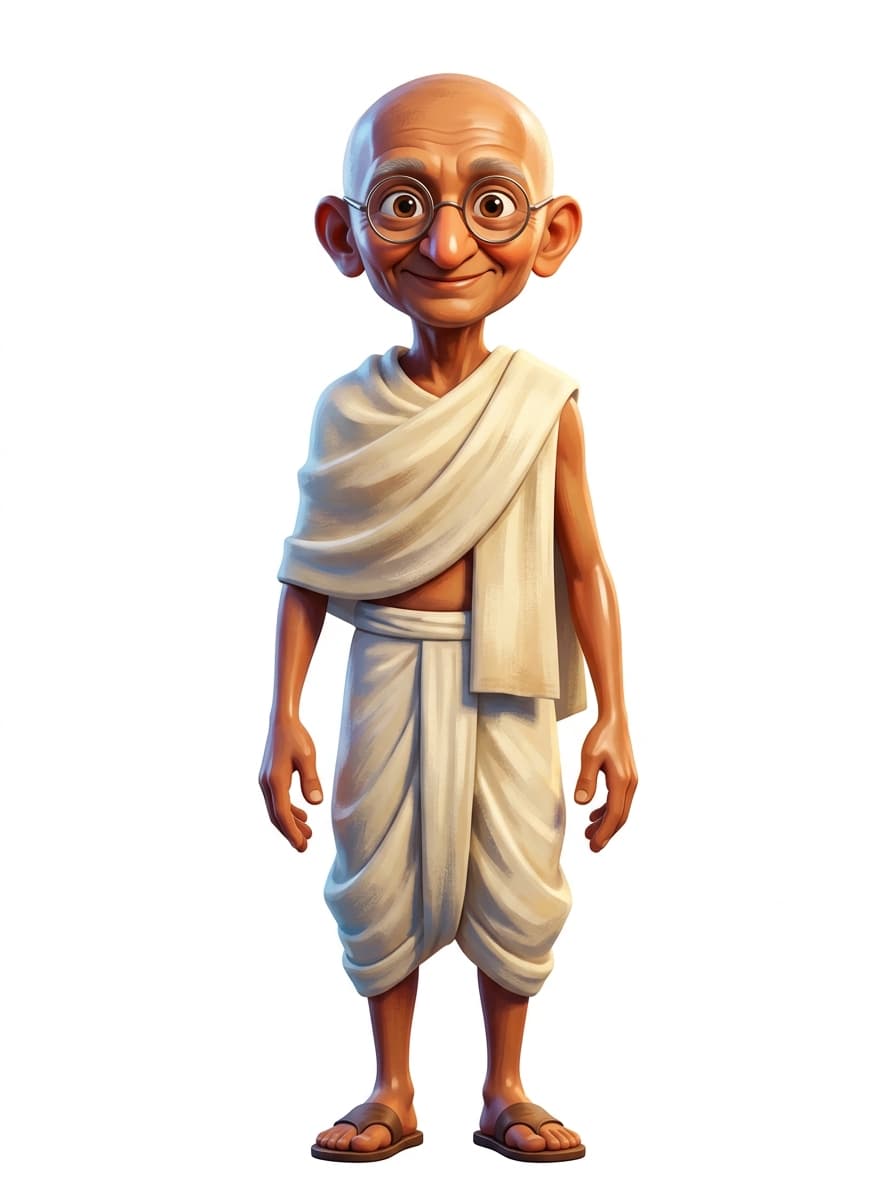 Mahatma GandhiFor sometimes it is an act of bravery even to live.
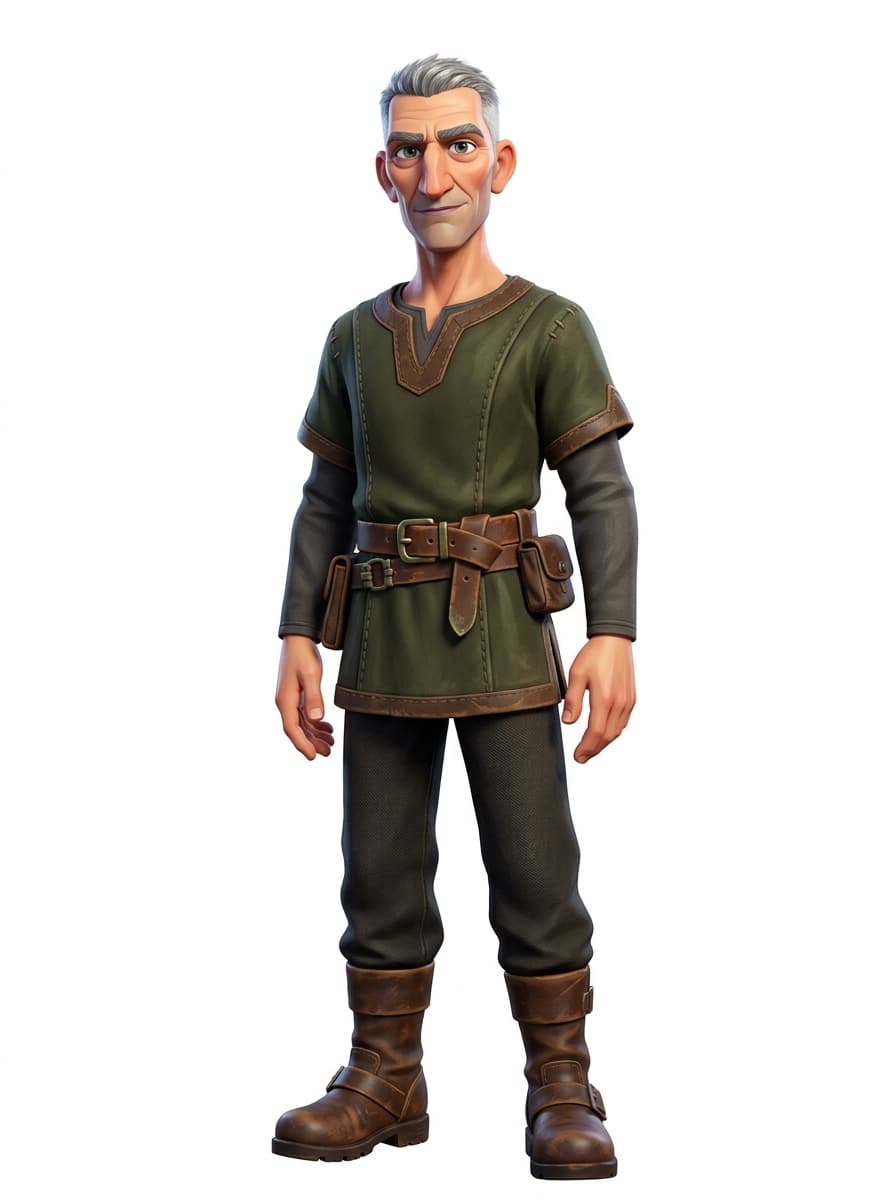 SenecaIf you see what is right and fail to act on it, you lack courage.
 ConfuciusNever let the future disturb you. You will meet it, if you have to, with the same weapons of reason which today arm you against the present.Marcus Aurelius
Marcus AureliusYou can't cross the sea merely by standing and staring at the water.Rabindranath TagoreStrength does not come from physical capacity. It comes from an indomitable will.Mahatma GandhiFor sometimes it is an act of bravery even to live.SenecaIf you see what is right and fail to act on it, you lack courage.ConfuciusNever let the future disturb you. You will meet it, if you have to, with the same weapons of reason which today arm you against the present.Marcus Aurelius