
Authors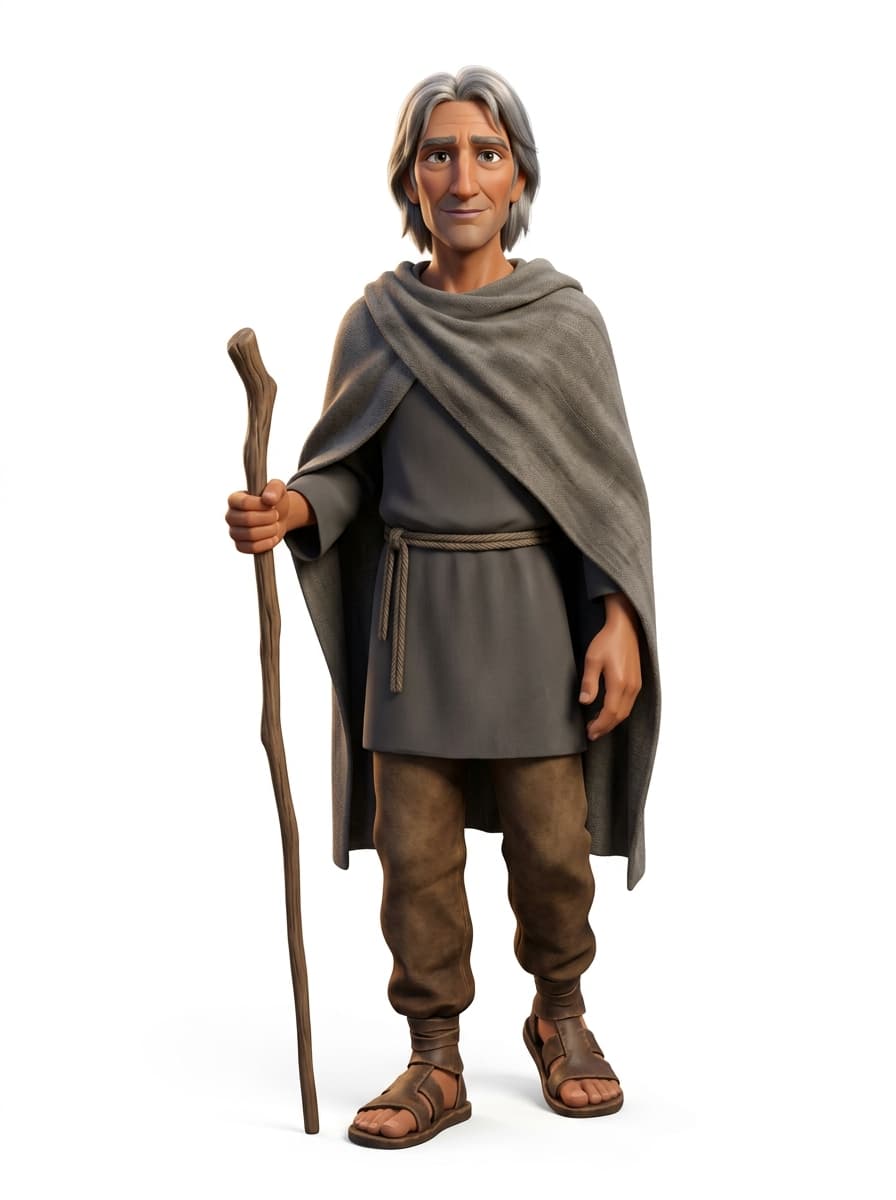
Epictetus
55 – 135
Epictetus was a Stoic philosopher who was born into slavery in the Roman Empire and later gained his freedom. He taught that true freedom comes from mastering your own thoughts and reactions, since so much of life is beyond anyone's control — an idea psychologist Albert Ellis later cited as a direct forerunner of modern cognitive behavioral therapy. His teachings, written down by a student, deeply influenced later thinkers, including the Roman emperor Marcus Aurelius.
Quotes
“No thing great is created suddenly, any more than a bunch of grapes or a fig.”
“It is circumstances (difficulties) which show what men are.”
“For where else is friendship than where there is fidelity, and modesty, where there is a communion of honest things and of nothing else.”
“Philosophy does not propose to secure for a man any external thing.”
“For as the carpenter’s material is wood, and that of the statuary is copper, so the matter of the art of living is each man’s life.”
“How then shall my brother cease to be angry with me? Bring him to me and I will tell him. But I have nothing to say to you about his anger.”
“Nothing great, said Epictetus, is produced suddenly, since not even the grape or the fig is. If you say to me now that you want a fig, I will answer to you that it requires time: let it flower first, then put forth fruit, and then ripen.”
“After this know that you are a brother also, and that to this character it is due to make concessions; to be easily persuaded, to speak good of your brother, never to claim in opposition to him any of the things which are independent of the will, but readily to give them up, that you may have the larger share in what is dependent on the will.”
“But if you go and blame your brother, I say to you, You have forgotten who you are and what is your name.”
“Why, that you may become an Olympic conqueror; but it is not accomplished without sweat.”
“I will go and I am resolved either to behave bravely myself or to give to another the opportunity of doing so; if I cannot succeed in doing anything myself, I will not grudge another the doing of something noble.”
“Do you seek a reward for a good man greater than doing what is good and just?”
“You can be invincible, if you enter into no contest in which it is not in your power to conquer.”
“But if it seem to you seasonable to undertake (do) the thing, take care that the charm of it, and the pleasure, and the attraction of it shall not conquer you; but set on the other side the consideration, how much better it is to be conscious that you have gained this victory.”
“Come, then, do you also having observed these things look to the faculties which you have, and when you have looked at them, say: Bring now, O Zeus, any difficulty that thou pleasest, for I have means given to me by thee and powers for honoring myself through the things which happen.”
“Therefore when a difficulty falls upon you, remember that God, like a trainer of wrestlers, has matched you with a rough young man.”
“In my opinion no man has had a more profitable difficulty than you have had, if you choose to make use of it as an athlete would deal with a young antagonist.”
“It is for this reason that I often say, study and hold in readiness these principles by which you may determine what those things are with reference to which you ought to be cautious, courageous in that which does not depend on your will, cautious in that which does depend on it.”
“But it is difficult to mingle and to bring together these two things—the carefulness of him who is affected by the matter (or things about him), and the firmness of him who has no regard for it; but it is not impossible: and if it is, happiness is impossible.”
“We ought to keep not to all our determinations, but to those which are right; for if you are now persuaded that it is right, do not change your mind, if you think fit, but persist and say, We ought to abide by our determinations.”
“Every thing which is difficult and dangerous is not suitable for practice; but that is suitable which conduces to the working out of that which is proposed to us.”
“Who will not willingly receive a man who is ready to bear a share, as we may say, of the difficulty of his circumstances, and by this very act to ease the burden, by taking a part of it.”
“When you are going to meet with any person, and particularly one of those who are considered to be in a superior condition, place before yourself what Socrates or Zeno would have done in such circumstances, and you will have no difficulty in making a proper use of the occasion.”
“And if anything laborious or pleasant or glorious or inglorious be presented to you, remember that now is the contest, now are the Olympic games, and they cannot be deferred; and that it depends on one defeat and one giving way that progress is either lost or maintained.”
“If you are dazzled by the semblance of any promised pleasure, guard yourself against being bewildered by it; but let the affair wait your leisure, and procure yourself some delay. Then bring to your mind both points of time—that in which you shall enjoy the pleasure, and that in which you will repent and reproach yourself, after you have enjoyed it—and set before you, in opposition to these, how you will rejoice and applaud yourself if you abstain.”
“For what other master, then, do you wait as an excuse for this delay in self-reformation? You are no longer a boy but a grown man.”
“Because the gods have given the vine, or wheat, we sacrifice to them; but because they have produced in the human mind that fruit by which they designed to show us the truth which relates to happiness, shall we not thank God for this?”
“From everything, which is or happens in the world, it is easy to praise Providence, if a man possesses these two qualities: the faculty of seeing what belongs and happens to all persons and things, and a grateful disposition.”
“For in fact we thank the gods for those things in which we place our good.”
“But indeed for the power of seeing and hearing, and indeed for life itself, and for the things which contribute to support it, for the fruits which are dry, and for wine and oil give thanks to God: but remember that he has given you something else better than all these, I mean the power of using them, proving them, and estimating the value of each.”
“Will you not then, as long as you have been permitted, after seeing the spectacle and the solemnity, when he leads you out, go with adoration of him and thanks for what you have heard and seen?”
“But the solemnity is ended; go away like a grateful and modest man; make room for others; others also must be born, as you were, and, being born, they must have a place, and houses, and necessary things.”
“That thou hast given me life, I thank thee for what thou hast given.”
“Men are disturbed not by things, but by the views which they take of things.”
“Demand not that events should happen as you wish; but wish them to happen as they do happen, and you will go on well.”
“If you would improve, be content to be thought foolish and dull with regard to externals.”